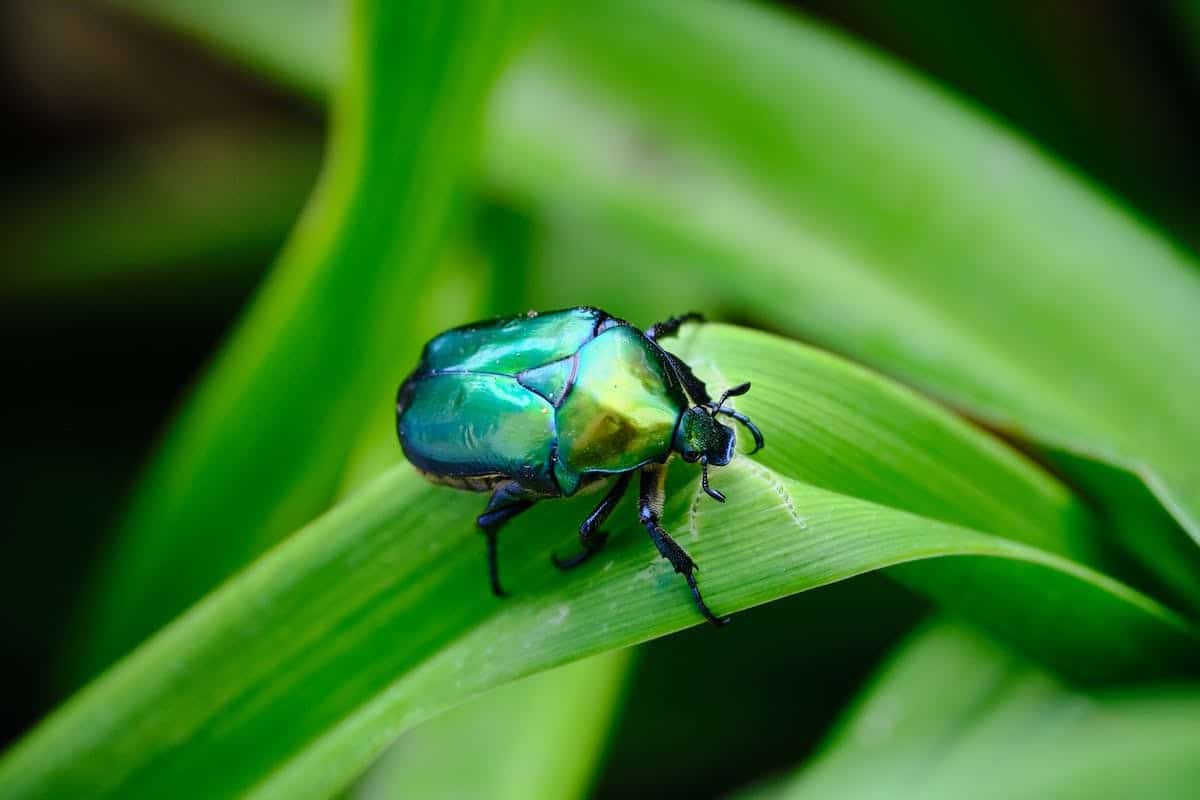
In our gardens, a formidable enemy often hides beneath the surface of the soil, ravaging the roots of our precious plants. Grub larvae, also known as white grubs, are a true plague for gardeners. These creatures destroy plants by feeding on their roots, causing considerable damage. In the face of this threat, one question arises: how to effectively eliminate these pests without harming the garden ecosystem? Here’s an overview of existing solutions to combat these budding destroyers, ranging from natural techniques to more radical methods.
Grub larvae: formidable enemies of your garden
Understanding the life cycle of grubs is a crucial step in implementing an ‘grub treatment’ effectively. These harmful insects go through four developmental stages: the egg, the larva, the pupa, and finally the adult stage. Females lay their eggs in the soil during the summer or spring. After about three weeks, these eggs hatch into the formidable larvae.
The whitish, C-shaped body, along with a dark brown head, characterizes the grub larvae that primarily feed on roots for two to five years before reaching their pupal stage where they undergo their final transformation into adults.
To effectively manage this harmful infestation, it is advisable to intervene during the larval stage with an appropriate treatment against grub larvae. Several signals can reveal their presence in your garden, such as plants yellowing for no apparent reason or an increased presence of burrowing animals attracted to these white grubs.
Regarding ‘the Grub Treatment’, we often prefer to resort to natural methods to respect our environment while eradicating these unwanted pests. For example, using a light trap can be clever as they not only attract flying adults during their breeding periods but also significantly limit direct laying on your cultivated lands.
In other words, specifically employing Steinernema feltiae nematodes • natural parasites commonly found in our soils that can specifically parasitize these pests in their larval form • is also an excellent means of biological control against grub larvae. Simply spreading this product either at the beginning of spring or in the fall will sustainably control this insatiable destructive invader, potentially causing considerable harm to your agricultural crops, which could certainly impact your local or even national production.
Finally, to anticipate any future potential massive infestation of harmful insects, it is strongly recommended to avoid any excessive accumulation of water, which greatly favors laying by adult females. You can also choose to plant around certain plants known for their repulsive action (garlic/tansy).
It is therefore important to understand how its vital cycle works and to act promptly to identify all signals indicating possible colonization, along with measures associated with the ‘Grub Treatment’. This notably includes using Steinernema feltiae nematodes, which offer a suitable solution with minimal hope against the potential risk of future invasion.
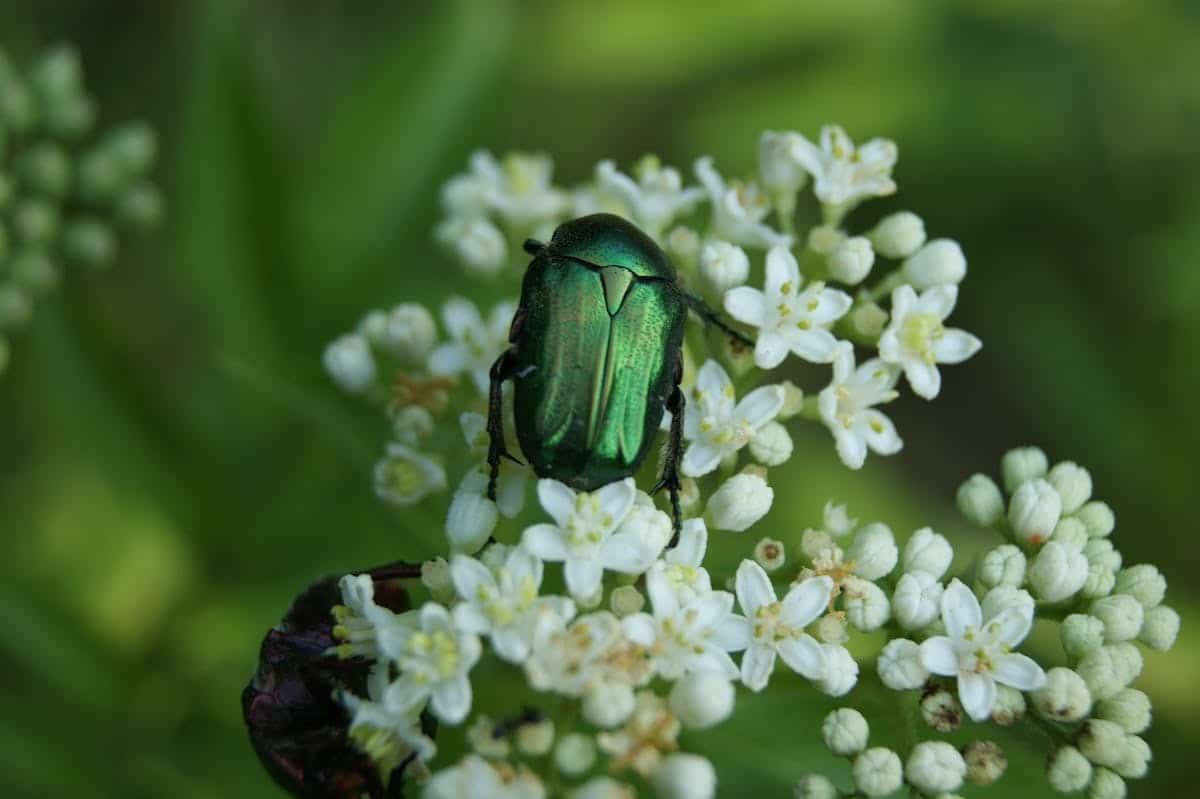
Life cycle of grubs: deciphering a threat
In order to effectively combat grub larvae, it is essential to know how to recognize the signals indicating their presence. Although these pests hide beneath the soil surface, they do not go unnoticed.
One of the first revealing signs is the sudden appearance of yellowed areas in your garden or lawn. The larvae actively feed on the roots of plants, depriving the plants of essential nutrients. This nutrient deficiency leads to widespread weakening and causes noticeable discoloration.
Another obvious indicator is the presence of burrowing animals such as moles or badgers that eagerly dig into the soil in search of succulent larvae. These animals are attracted by the characteristic smell emanating from the white grubs, which constitute a tasty feast for them.
There are also more specific methods to detect the presence of these underground pests. One of them involves conducting a careful observation of the soil by performing targeted diggings in your garden. You can use a shovel to lightly turn the soil and actively search for these insidious little creatures buried in the ground.
If you spot a significant number of larvae during this visual inspection, you should treat with an appropriate treatment against grub larvae to halt their proliferation and protect your crops.
It should be emphasized that natural methods are often preferred within an environmentally friendly approach. For example, using light traps can be a wise option to attract and capture flying adults during their breeding periods, thereby reducing direct laying in your garden.
Another effective biological method is to introduce Steinernema feltiae nematodes into your soil. These natural parasites commonly found in our ecosystems can specifically target grub larvae and thus contribute to their regulation. Simply spreading these nematodes at the beginning of spring or in the fall will achieve sustainable control of infestations.
To prevent any future massive appearance or potential infestation, it is highly recommended to avoid excessive accumulation of stagnant water, which greatly favors laying by adult females. You can also opt for planting around certain plants known for their repulsive action against grubs, such as garlic or tansy.
It is therefore crucial to understand the life cycle of grubs and to act quickly by identifying all the signals indicating a possible colonization by these pests. This notably includes resorting to appropriate treatments against grub larvae, including those using Steinernema feltiae nematodes, which offer a suitable solution with minimal risk against the potential for future invasion.
Grub larvae: how to detect their presence
To effectively combat grub larvae, it should be noted that these natural methods often require some time before observing significant results. Therefore, patience and perseverance are essential in implementing and regularly monitoring the various techniques used.
Eradicating grub larvae through natural methods is a respectful choice for both our environment and our crops. The use of organic mulching, the introduction of predatory organisms such as insectivorous birds, as well as the judicious use of natural preparations are all viable options that promote ecologically responsible control against these underground pests.
Feel free to combine several approaches to amplify their beneficial effect while ensuring a harmonious balance between useful fauna and your plants. By following these wise tips, you will be able not only to effectively eliminate harmful larvae but also to preserve biodiversity within your garden.
Eliminating grub larvae: effective natural solutions
In our quest to eliminate grub larvae, you should use biological products that respect both our health and the environment. These natural alternatives provide an effective solution without resorting to aggressive chemical pesticides.
Among the most commonly used biological products, we find Heterorhabditis bacteriophora nematodes. This small microscopic worm feeds on grub larvae by entering their bodies and releasing pathogenic bacteria. As these bacteria multiply, they cause the death of the larvae.
To use this biological product, simply dissolve the nematodes in water and spray this solution on the infested soil.
Another interesting alternative is the use of Bacillus thuringiensis (Bt), a natural bacterium that produces a specific insecticidal toxin called Bt toxin. This toxin specifically targets grub larvae while preserving beneficial fauna such as bees or earthworms.
Bt can be applied in liquid or granular form on the infested soil so that the larvae ingest the toxin when they feed on the roots of the plants. Once ingested, the Bt toxin paralyzes the digestive system of the larvae and causes their death.
It should be noted that these biological products are not harmful to humans, pets, or the environment. They thus offer a safe and respectful alternative to effectively eliminate grub larvae without causing unwanted collateral damage.
It is important to remember that these products require careful use by strictly following the instructions provided by the manufacturer. Overuse may lead to resistance in grub larvae, making these treatments less effective in the long term.
The use of biological products is a safe and sustainable way to combat grub larvae. By choosing an environmentally friendly approach, we preserve soil health and promote biodiversity in our gardens.
Preventing future invasions of grub larvae: practical tips to protect your garden
Use repellent plants: Some plants have the ability to repel grubs due to their smell or natural properties. Among these plants are garlic, basil, thyme, and mint. Feel free to incorporate them into your garden to deter grubs from nesting there.
Practice crop rotation: Grub larvae are often attracted to certain types of crops like potatoes or carrots. By regularly practicing crop rotation, you will disrupt their reproductive cycle and thus limit their presence in your garden.
Encourage biodiversity: The diversity of plant species attracts different natural predators of grubs such as insectivorous birds or hedgehogs. By fostering an environment conducive to these animals, you contribute to maintaining an ecological balance that will help limit the infestation of larvae.
Use organic mulching: Organic mulching is not only beneficial for retaining soil moisture and preventing weed growth, but it can also help discourage the appearance of grub larvae by creating a physical barrier between them and the soil.
Opt for an appropriate lighting technique: Adult grubs are attracted to artificial light at night and may end up invading your home if your windows are poorly protected. Use blackout curtains or install screens to prevent their intrusion.
By following these tips, you will be able to effectively prevent future infestations of grub larvae in your garden. Remember that the key lies in a holistic approach that promotes ecological balance and respect for biodiversity.