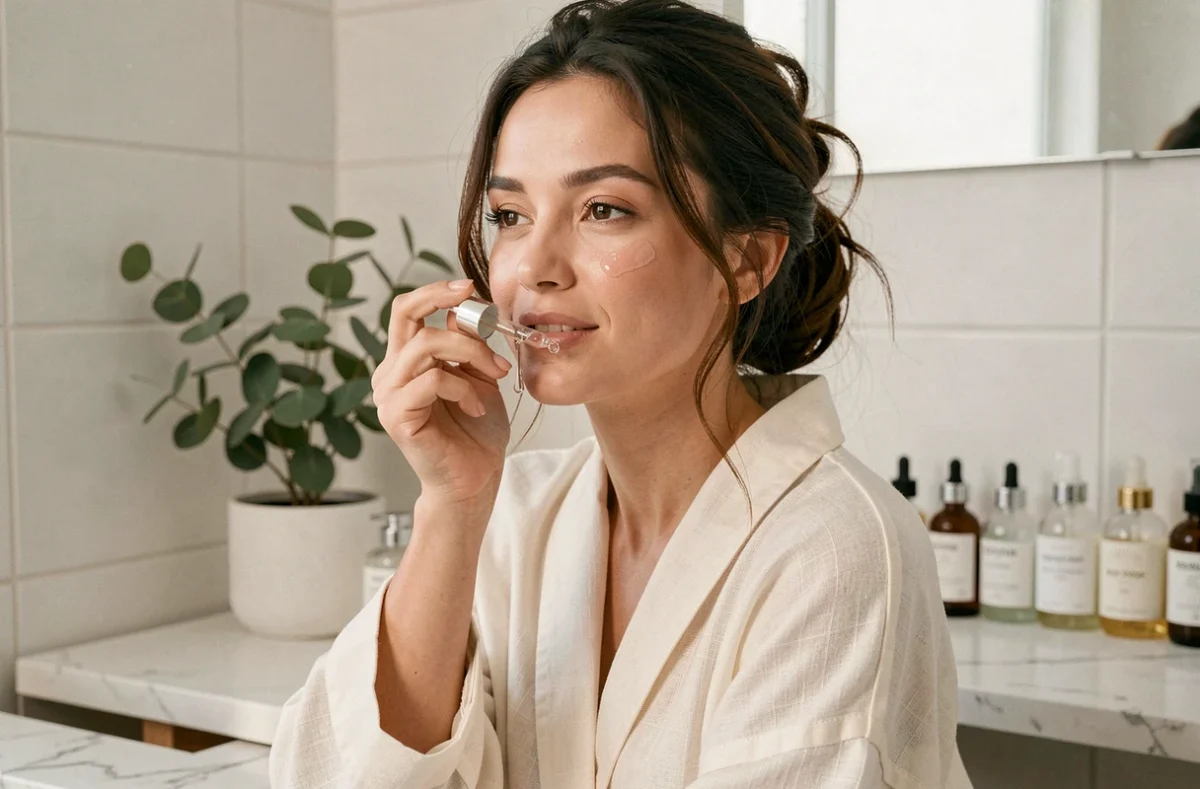
The beauty market in 2026 is no longer just a race to launch new pigments or fashionable textures. Health, environmental and regulatory concerns are reshaping formulas, packaging and routines. From the rise of hybrid makeup and skincare to the focus on the skin barrier and new European restrictions on certain ingredients, today’s beauty trends reflect a broader shift towards products that must prove their value beyond their visual effect.
Skin barrier and environmental stressors: preventive care at the heart of routines
For a long time, repairing damaged skin was the main selling point of dermocosmetic ranges. The conversation is shifting. An article published by Forbes in October 2026 reports growing interest in protection against environmental stressors (pollution, blue light and temperature fluctuations), extending well beyond UV protection alone.
The same article cites a CeraVe European survey that reveals a notable gap: consumers say they are concerned about these stressors, but few use skincare products specifically formulated to address them. This gap between awareness and use creates an opportunity for targeted products, provided their effectiveness is documented.
One caveat is worth noting. Routines overloaded with concentrated active ingredients (retinol, exfoliating acids, high-dose vitamin C) can weaken that same skin barrier. Following Beauté Révolution’s beauty news helps you spot formulas that balance their active ingredients without compromising the skin’s protective function.
Hybrid makeup and skincare: dual-purpose formulas changing habits
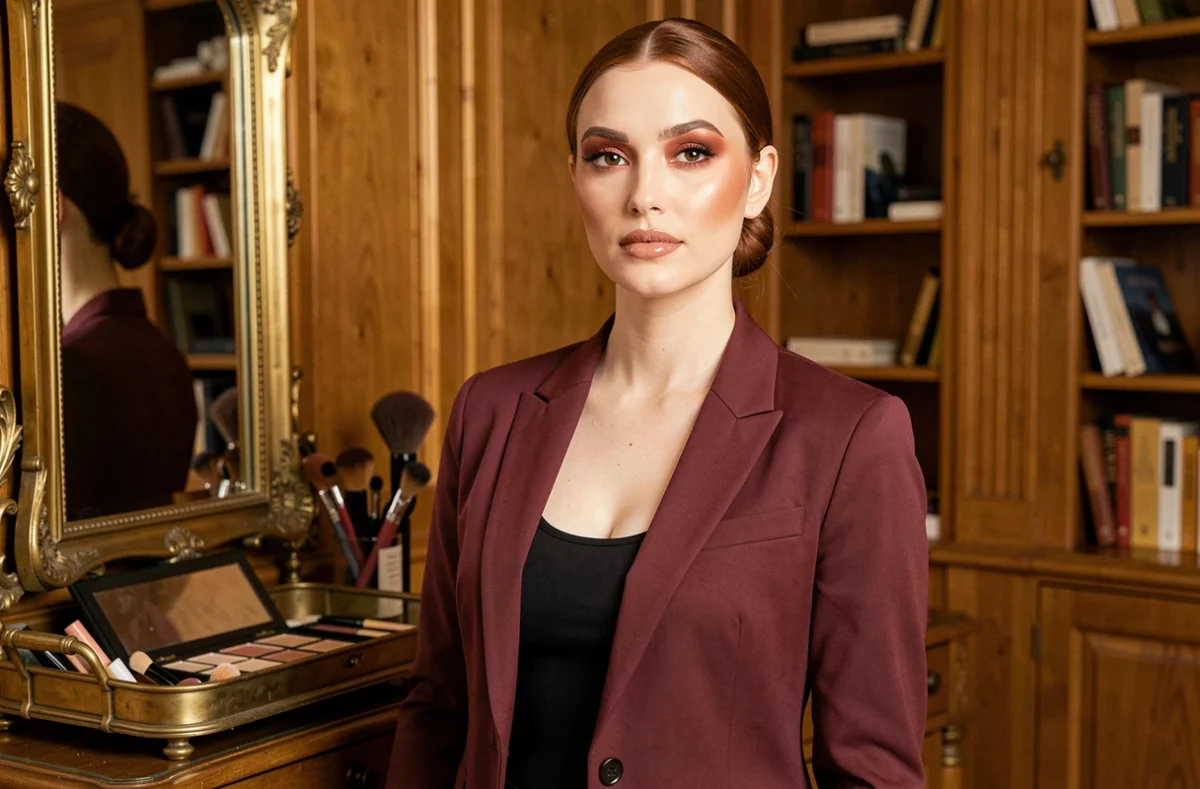
Hybrid makeup and skincare is emerging as one of the period’s most influential makeup trends. The idea: a foundation, concealer or blush that incorporates active ingredients usually found in serums (hyaluronic acid, niacinamide and peptides).
Several brands in this segment now offer tinted serums and hydrating concealers priced between around twenty and fifty euros. The idea is not new, but the quality of the textures has caught up with that of dedicated skincare, making these products genuinely practical for everyday use.
How these hybrids are changing routines
The most tangible benefit is fewer steps. A tinted serum replaces both day cream and light foundation. For skin without a specific concern (severe acne or pronounced hyperpigmentation), this simplification makes sense.
The limitation is well known: hybrid products contain active skincare ingredients at concentrations that are often lower than those in a dedicated serum. For targeted treatment of deep wrinkles or established dark spots, dedicated skincare remains more effective than a hybrid product. Makeup and skincare hybrids work better for prevention than correction.
Everyday sun protection: SPF takes its cues from makeup
Daily sun protection is gradually moving out of the pharmacy aisle and adopting the sensory appeal of makeup. New formulas focus on lightweight textures, non-greasy finishes and sometimes a subtle tint to even out the complexion.
This shift addresses a long-standing barrier: many consumers find sunscreens too thick or too white for everyday use in the city. A pleasant feel is becoming a key driver of daily SPF use.
The UV filters remain the same, but their delivery systems are changing. Water-based emulsions, fine mists and clear sticks are appearing in ranges from brands that have not traditionally focused on sun protection. This convergence of skincare, makeup and sun protection is blurring the boundaries between product categories.
Refillable packaging and regulatory restrictions: what’s happening behind the scenes
The beauty trends visible on store shelves are underpinned by less publicised developments. Two of them deserve attention.
Refillable formats expand beyond fragrance
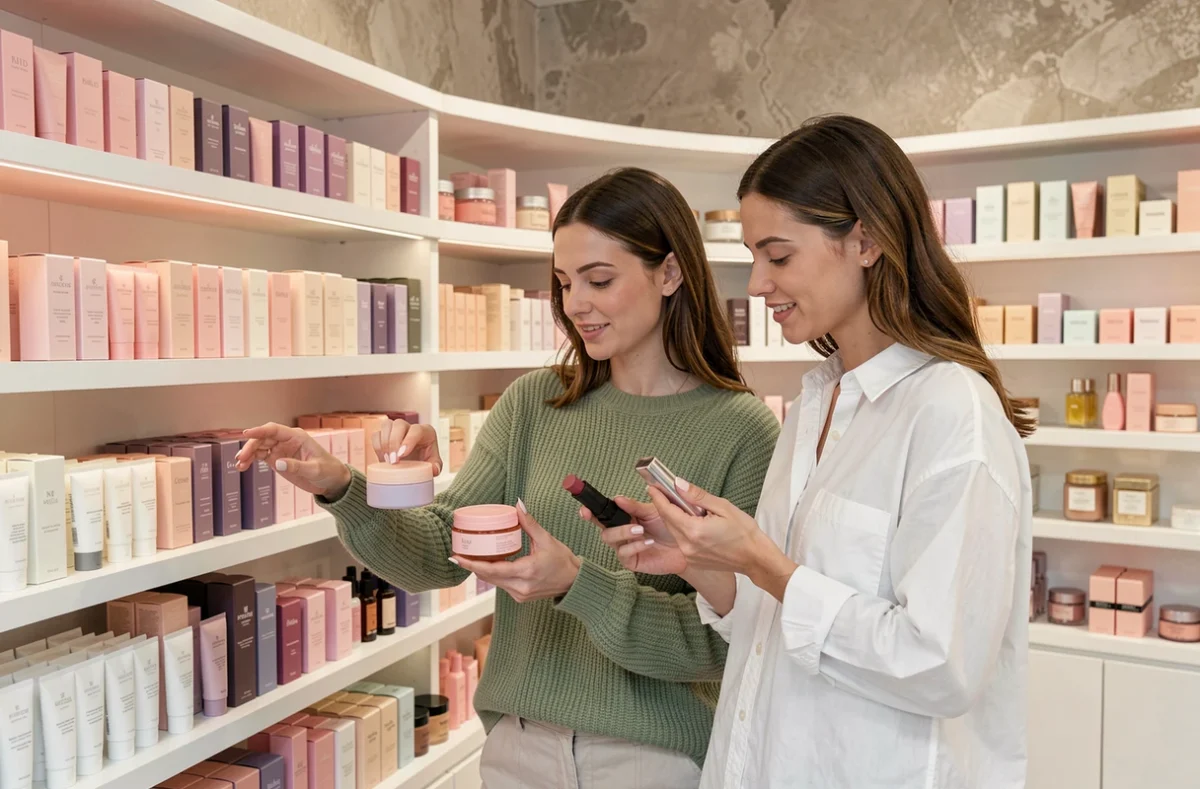
An article published by COSSMA in October 2026 describes the expansion of refillable formats into facial skincare, body care and colour cosmetics. Refillable fragrance paved the way, but the technical challenges vary by category:
- Facial skincare requires airtight packaging to preserve the stability of active ingredients, making it harder to design a universal refill system
- Makeup products (powders and lipsticks) must ensure the refill mechanism remains hygienic after several cycles of use
- Body care products, sold in larger volumes, offer a better balance between the cost of refillable packaging and the material savings achieved
Maintaining hygiene and formula stability remains the main technical challenge for these new formats.
European regulations on microplastics
The European Union has adopted restrictions on intentionally added microplastics in cosmetics. Synthetic glitter used in eyeshadows, shimmering shower gels and some nail polishes is affected, with staggered compliance deadlines.
For brands, this means reformulating products that are sometimes iconic. For consumers, the textures and visual effects of some makeup products will change in the coming months, and brands may not always clearly explain why.
Which beauty trends will last beyond the season?
Hybrid makeup and skincare products meet demand for simpler routines, which shows no sign of fading. The focus on protecting the skin barrier is backed by solid dermatological evidence. The future of refillable formats will depend on brands’ ability to overcome technical challenges around preservation and hygiene.
Regulatory restrictions on microplastics, meanwhile, are not a trend: they are a legal framework that will permanently change the composition of certain products. Paying attention to formulas rather than marketing claims remains the best way to distinguish useful innovations from passing fads.