
What criteria really differentiate a high-performing online delivery service from another? Between the announced deadlines, the proposed reception methods, and the management of returns, the quality gaps between platforms often remain unclear for consumers. This article measures the concrete parameters that impact the delivery experience, from the choice of reception method to the environmental compliance of packaging.
Compliance of Packaging and European Regulations on Delivery
The European regulations on packaging have recently shifted towards a logic of reduction, reuse, and recyclability. This change directly modifies how online delivery services design their packages.
For consumers, this translates into less bulky packaging, sometimes reusable, and more precise documentation on the materials used. Players who relied on oversized cardboard filled with plastic foam must rethink their approach.
Environmental transparency is also becoming a compliance issue. In Europe, claims of green or carbon-neutral delivery are increasingly regulated. A service that makes an ecological promise without documenting it is exposed to sanctions. Before choosing a provider, checking if they detail their environmental commitments (type of materials, carbon footprint per package) provides a reliable indicator of seriousness.
To better understand the features of certain ordering platforms, a guide explains how to use www labonne livraison fr on News 21 and details the steps for getting started.
Comparison of Delivery Methods: Home, Relay, and Lockers
Not all reception methods are equal according to usage. The table below summarizes the operational differences between the three most common options offered by online stores.
| Criterion | Home Delivery | Relay Point | Automatic Locker |
|---|---|---|---|
| Time Flexibility | Low (fixed time slot) | High (store hours) | Maximum (24/7 access) |
| First Delivery Failure Rate | High | Very low | Almost none |
| Cost for the Customer | Often the highest | Generally lower | Variable depending on the operator |
| Adaptation to Bulky Packages | Yes | Limited | Limited (size of lockers) |
| Environmental Impact | High (single trip per address) | Reduced (shared delivery) | Reduced (shared delivery) |
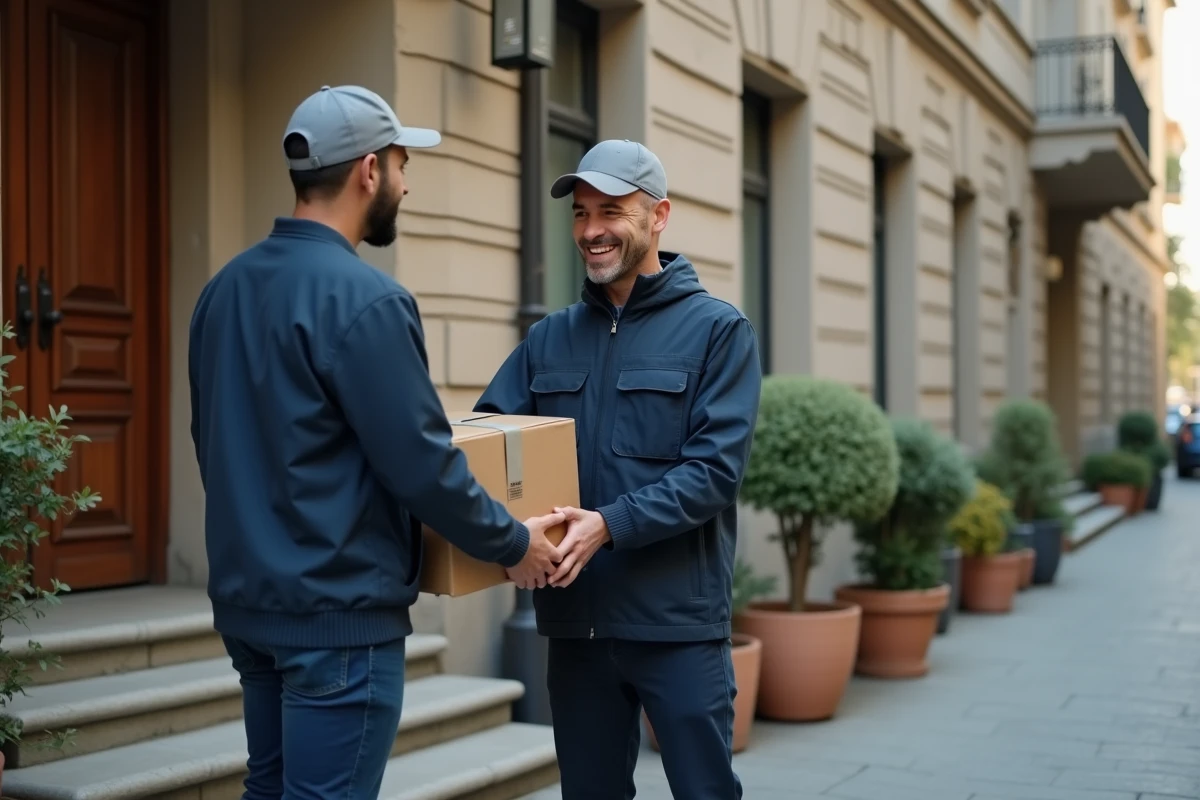
Relay points and lockers reduce the first delivery failure rate, which avoids costly back-and-forth trips for the carrier. For a standard purchase (clothing, accessories, small electronics), the relay point remains the best compromise between cost and reliability.
On the other hand, home delivery retains its usefulness for bulky or fragile products requiring direct receipt. The choice thus depends on the type of order rather than a general preference.
Management of Package Returns: The Often Overlooked Criterion
The quality of a delivery service is not only measured by the shipment. The return policy weighs as much as the speed of shipping in customer satisfaction. A significant portion of online cart abandonment can be explained by unclear shipping and return conditions.
Three elements distinguish effective return management:
- A prepaid or easily printable return label, accessible from the customer area without having to contact customer service
- A displayed and respected refund timeframe, ideally triggered as soon as the carrier takes charge of the package
- Multiple drop-off options for returns (relay point, post office, home pickup) so that the customer can choose what suits them
Stores that limit returns to a single channel or impose complex forms create direct friction. A simple return fosters loyalty more than fast delivery, because it reassures at the time of purchase.
Real-Time Management and Order Tracking During Demand Peaks
Periods of high demand (sales, holidays, events) reveal the weaknesses of a delivery service. Performance then depends less on annual organization than on the ability to dynamically allocate resources in real time.
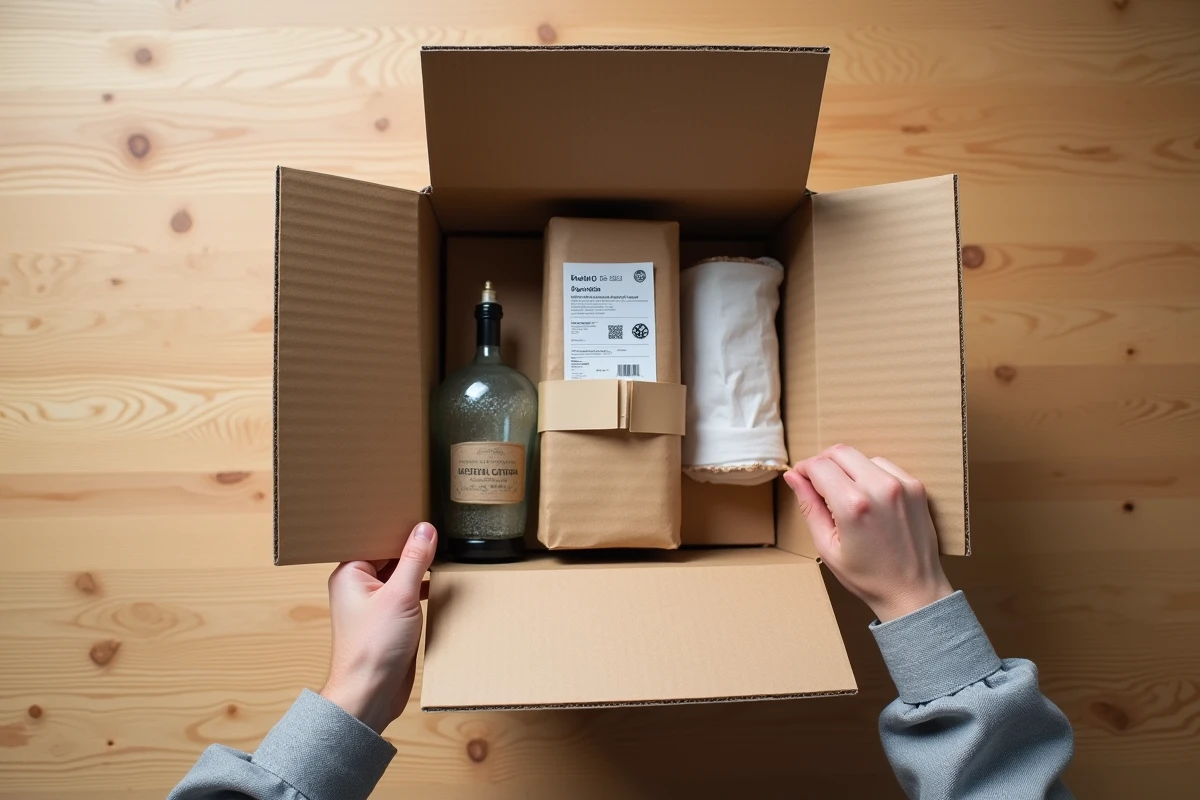
Reliable order tracking during these peaks relies on several mechanisms:
- Automated notifications at each stage (preparation, shipping, arrival at relay point or home) to reduce customer service calls
- Adaptive dispatching that reallocates deliveries based on the actual load of carriers, not a fixed schedule
- Proactive communication in case of delays, with a reassessed timeframe rather than prolonged silence
Real-time tracking reduces complaints more effectively than a shortened timeframe. A customer informed of a 24-hour delay accepts the wait better than a customer left without news for 48 hours.
Platforms that centralize the management of orders from multiple channels (online store, marketplace, phone orders) better absorb these variations. In contrast, manual or siloed processing by channel generates errors and duplicates as soon as the volume increases.
Delivery Options and Customer Experience: What the Data Shows
The majority of French consumers rank delivery options and times among their most determining criteria for online purchases. Increasing reception options boosts conversion because each customer has different constraints: staggered hours, absence during the day, housing without a concierge.
The cost of delivery remains a direct lever on the average cart value. Online shoppers overwhelmingly consider free delivery a priority. Stores that incorporate shipping costs into the product price beyond a certain order threshold generally see an increase in the average amount per purchase.
Return data completes the picture: a significant portion of online sales fails at the delivery stage, whether due to product non-compliance, absence of the recipient, or a discouraging return policy. Analyzing this data (failure rates by delivery method, reasons for returns, average times by carrier) allows for adjusting the logistics offer quarterly rather than annually.
Ultimately, the choice of an online delivery service hinges on measurable criteria: successful first delivery rate, clarity of the return policy, granularity of tracking, and diversity of reception methods. Platforms that document these indicators provide customers with the means to compare, where vague promises (“fast delivery,” “premium service”) allow for no real evaluation.